Small Studies, Big Improvements: A Weekly Sketchbook Routine
Why a weekly routine?
Regular, modest effort is more effective than occasional marathon sessions. A weekly routine that mixes short focused studies ensures progress while respecting limited time. It also creates a structured environment for experimentation and reflection.
Sample weekly schedule
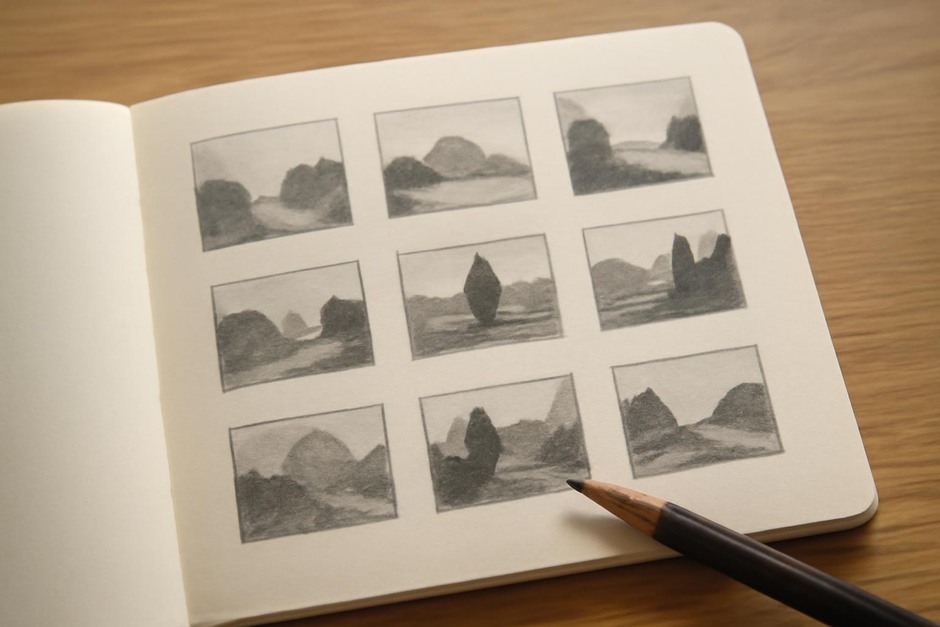
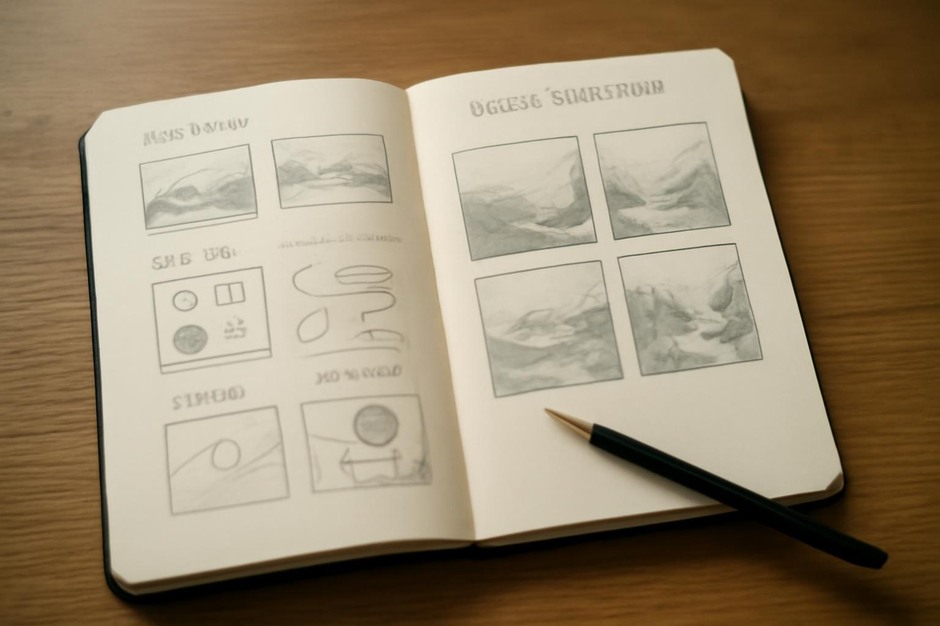
- Monday (30 minutes): Three five-minute thumbnails focusing on different focal placements. Add quick notes about what worked.
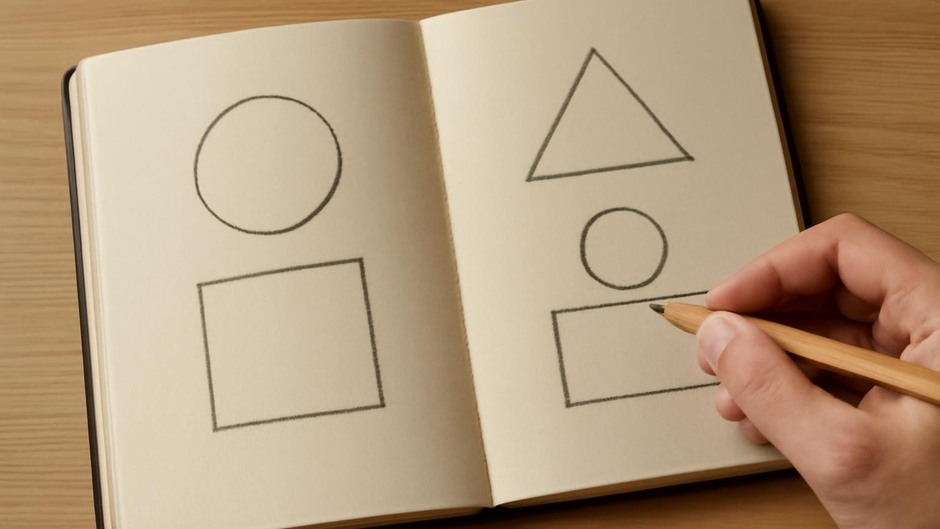
- Wednesday (20–40 minutes): Shapes-first study: two 10-minute compositions reduced to three to five forms each, followed by a quick value thumbnail.
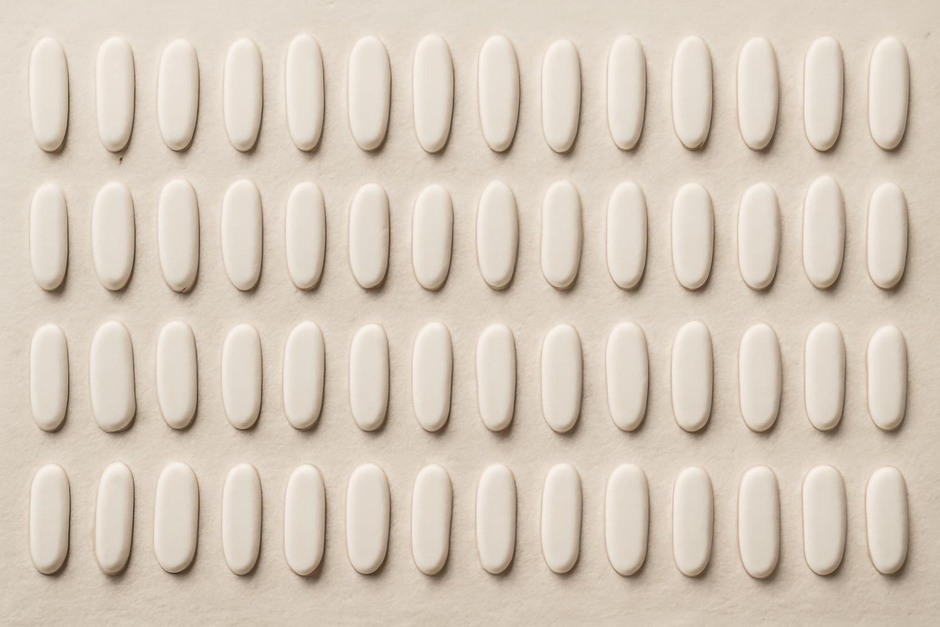
- Friday (20 minutes): Rhythm practice: grid of small motifs with a rule-based variation. Choose one successful thumbnail to develop later.
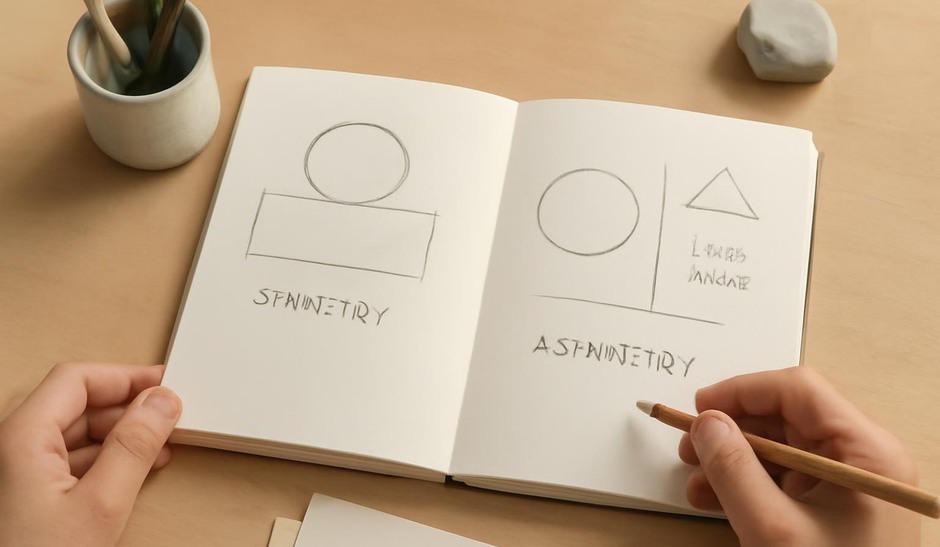
- Weekend (optional, 40–60 minutes): A longer study combining shape, rhythm, and balance. Use one small study from the week as the structural starting point.
Session structure tips
- Keep materials minimal to reduce setup time: a sketchbook, one drawing tool, and a small set of values or a single wash.
- Warm up with a single five-minute thumbnail to engage observation.
- End with one note: a phrase about the strongest choice and one idea to try next time.
Integrating feedback
Every two weeks, review the thumbnails and pick recurring strengths and weaknesses. Choose one target skill—silhouette clarity, better focal placement, tighter rhythm—and design the next week’s exercises around that goal. This focused repetition accelerates improvement.
Progress without pressure
Track progress with simple markers: a small dot when a study feels successful or a short annotation when a thumbnail reveals a useful arrangement. These markers give a gentle, non-judgmental record of development that can be surprisingly motivating.
Translation to larger work
Use weekly small studies as blueprints. When starting a larger piece, select one small study as a composition scaffold. Because the study is already tested for balance, rhythm, and shape, you reduce the risk of compositional rework later.
Conclusion
A compact weekly routine built from short, focused studies delivers steady gains in composition and observation. The key is consistency and simple measurement: repeat the exercises, record outcomes, and adjust the focus every two weeks. Over months, these small studies compound into noticeable improvements.