Rhythm and Repetition: Guiding the Eye with Pattern
Understanding visual rhythm
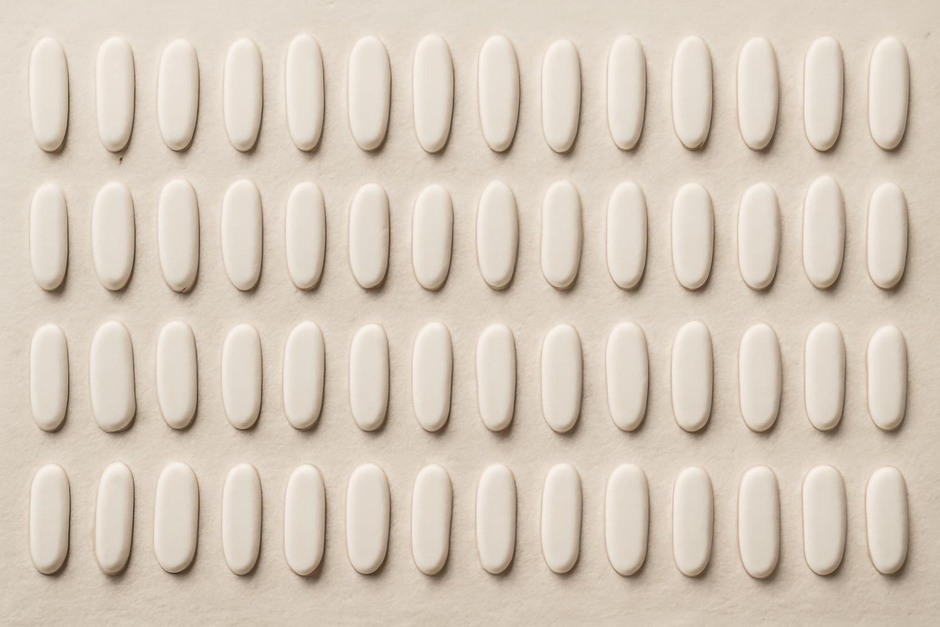
Rhythm in visual terms is a deliberate repetition of elements that creates flow. Like rhythm in music, visual rhythm helps a viewer move through an image with ease. Repetition can be exact or varied; both approaches can be used to emphasize, calm, or energize a composition.
Elements that create rhythm
- Repeated shape: A motif that appears at intervals.
- Spacing: Regular or irregular gaps between elements change the tempo.
- Scale shifts: Gradual changes in size create progression.
- Value changes: Repetition of tone with variation draws subtle attention.
Exercise: pattern with purpose
1. Prepare a small grid of thumbnail boxes, six across and four down. 2. Select a single simple shape—a dot, a small square, or a short dash. 3. Fill the grid using one rule: repeat the shape but vary one parameter across rows or columns (size, rotation, value, or spacing). 4. After filling the grid, choose three thumbnails that best express a strong visual rhythm and identify why.
Controlled variation
Purposeful irregularity often reads as more engaging than mechanical repetition. For example, repeating circles where every third circle is slightly larger establishes a steady beat with a clear accent. Use controlled variation to create rests, accents, and progression.
Applying rhythm in scenes
When observing a real scene, look for natural repetitions—rows of windows, stepping stones, a line of trees—and consider exaggerating or condensing spacing to enhance flow. Use rhythm to lead the eye toward the focal point, not to obscure it.
Mini exercise: lead to the focal point
- Choose a simple scene with repeating elements.
- Make three quick thumbnails: one with regular repetition, one with increasing size toward the focal point, and one with spacing that tightens toward the focal point.
- Compare which approach most effectively directs attention and why.
Practice routine
Include a rhythm study in two weekly sketch sessions. Spend ten to twenty minutes experimenting with repetition rules and keep the most successful thumbnails as references. Over time, you’ll learn which rhythmic moves reliably create desired directional cues in your work.
Rhythm and repetition are not decoration alone; they are tools to structure visual experience. Practiced in thumbnails and small studies, they become reliable compositional choices in larger works.